CDR Sample for Petroleum Engineering (ANZSCO 233612) Career Episodes & Petroleum Samples

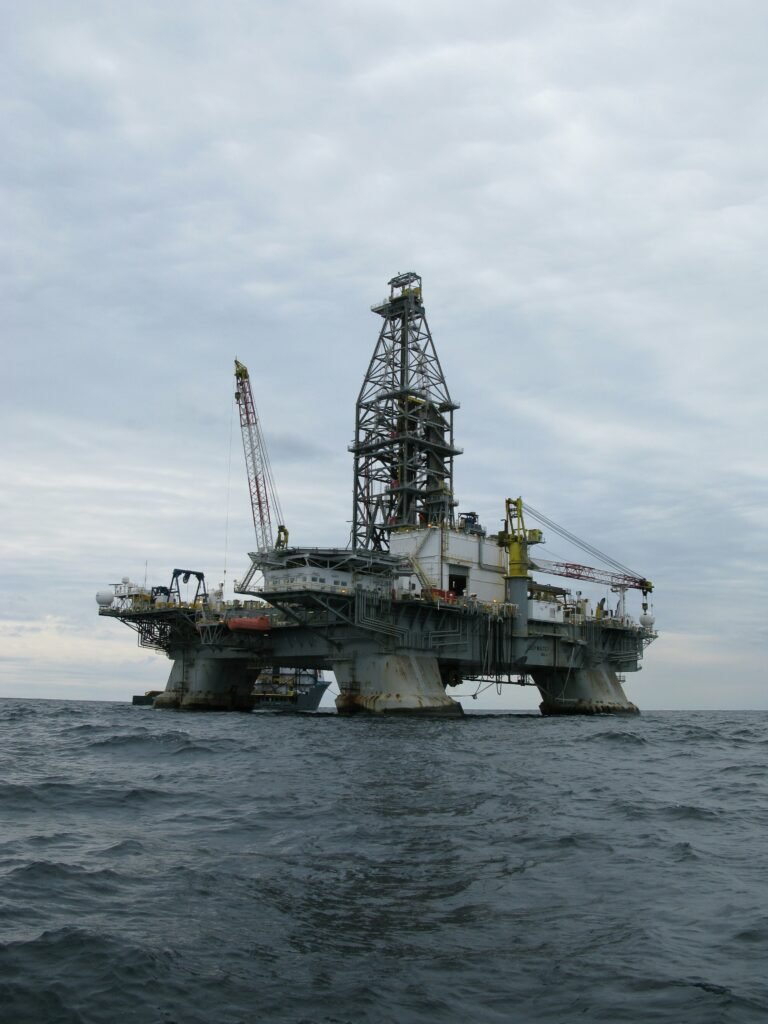
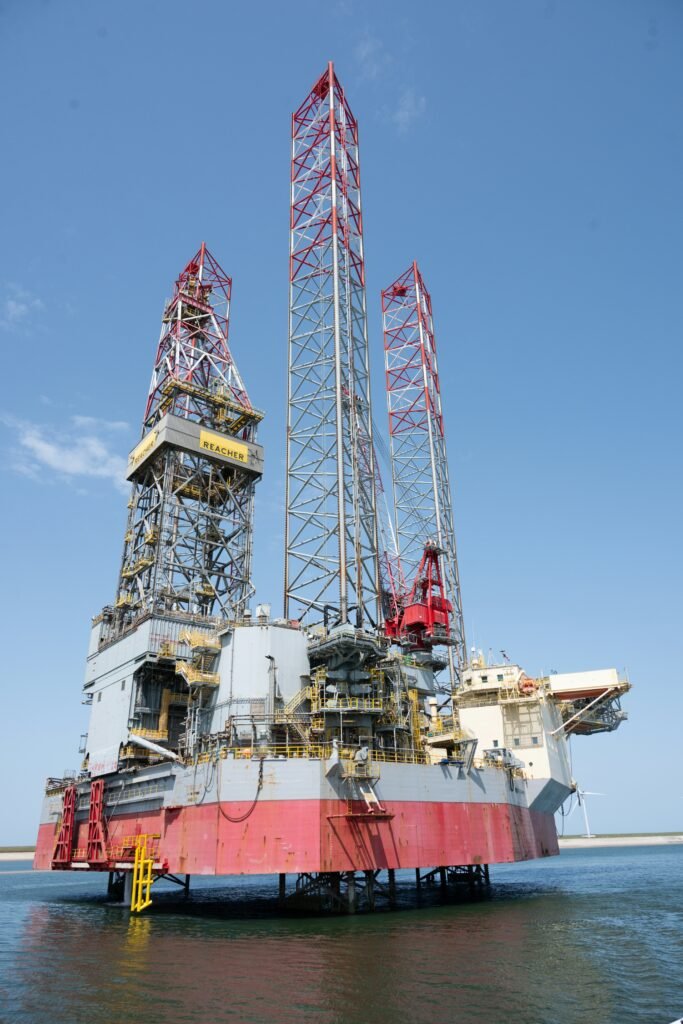
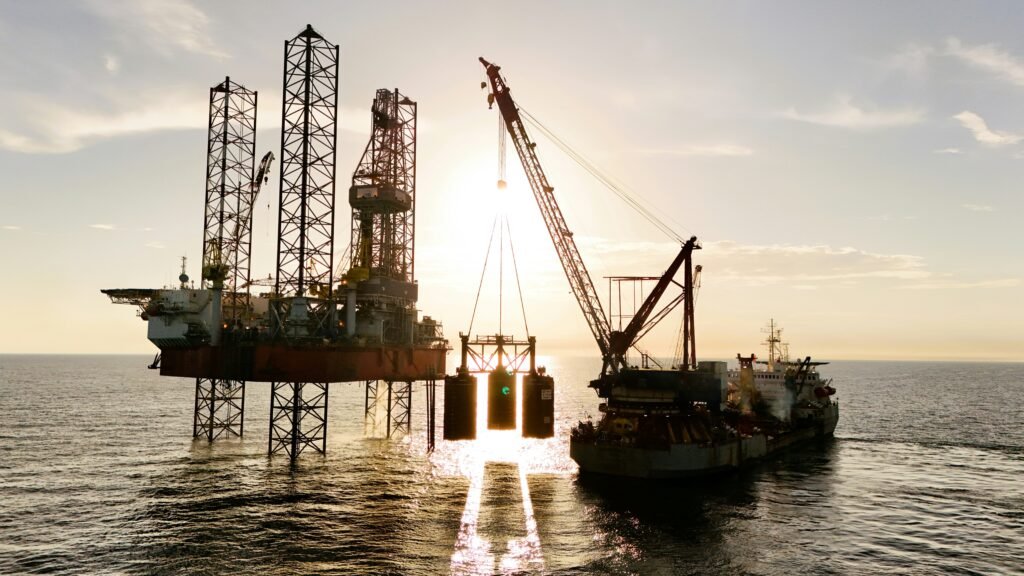
A professionally structured CDR Sample for Petroleum Engineering (ANZSCO 233612) can help applicants understand how to present their engineering education, technical knowledge, project experience, and individual contributions for a skills assessment.
Petroleum engineering involves the exploration, extraction, production, and management of oil and gas resources. Therefore, a strong Competency Demonstration Report should present clear evidence of technical decision-making, engineering calculations, problem-solving, safety awareness, environmental responsibility, and professional communication.
A petroleum engineering sample should be used only as a structural reference. Every applicant must prepare original Career Episodes based on genuine academic projects, internships, training, or professional engineering experience..
96k
Successful Projects
What Is a Petroleum Engineering CDR?
A Petroleum Engineering CDR is a collection of documents prepared by applicants whose engineering qualifications may require a competency-based assessment. It explains how the applicant has applied petroleum engineering knowledge in real academic or professional situations.
The report should demonstrate the applicant’s understanding of areas such as:
- Reservoir engineering
- Drilling operations
- Production engineering
- Well planning and control
- Formation evaluation
- Petroleum geology
- Fluid mechanics
- Health and safety management
- Environmental risk control
- Petroleum economics
What Does a CDR for Petroleum Engineering Include?
A complete CDR submission generally contains several connected documents. Applicants should always check the latest official requirements before preparing their final submission.
Three Career Episodes
Each Career Episode presents a particular engineering project, academic assignment, internship, training programme, or work experience.
Reservoir Performance Evaluation
This petroleum engineering sample explains how I analysed reservoir pressure, porosity, permeability, fluid properties, and production data. I used reservoir calculations to assess performance and recommended water injection to support production and improve hydrocarbon recovery.
Drilling Programme Design
This petroleum engineering sample describes how I planned a petroleum well by analysing geological data, formation pressure, drilling risks, and offset-well information. I completed casing design, drilling-fluid selection, hydraulic calculations, and well-control planning to improve drilling safety, efficiency, and operational performance.

Production Optimisation
In this project, I examined declining oil output, rising water production, and pressure losses. I compared artificial-lift options and recommended a suitable system to stabilise production, improve well efficiency, and reduce operational problems.
How to plan a Petroleum Engineering CDR (ANZSCO 233612)
Petroleum engineers work on the exploration, drilling, completion and production of oil and gas reservoirs. A strong CDR explains the technical analysis you personally carried out and how it informed field decisions, safety and production performance.
For the Engineers Australia Migration Skills Assessment, your Competency Demonstration Report has three parts: three career episodes, a summary statement and a Continuing Professional Development (CPD) list. Each career episode describes one period of engineering work or one project in your own words, written in the first person, so the assessor can see what you did. Use this page as a planning guide; your report must describe your own projects and be original.
Career episode ideas for petroleum engineers
Choose three projects that are clearly different from each other, so that together they cover the full range of competencies. Strong options for petroleum engineers include:
Well planning and drilling
Casing and mud programme design, hydraulics calculations and managing drilling risks such as kicks or stuck pipe.
Reservoir evaluation
Interpreting logs and pressure data, estimating reserves and building or updating reservoir models.
Production optimisation
Nodal analysis, artificial lift selection and well interventions that improved flow rates or reduced downtime.
Completion or stimulation design
Selecting completion equipment, designing acidising or fracturing treatments and evaluating results.
What to show in each career episode
- Background: the project, its objectives, your organisation and your position, in a short introduction.
- Your personal role: what you were responsible for, written as “I designed”, “I calculated”, “I tested”, rather than “we” or “the team”.
- Technical detail: the engineering work itself, such as reservoir and production engineering calculations, simulation software, well test analysis, drilling hydraulics, HSE requirements and field data.
- Problems and judgement: a technical difficulty you faced, the options you considered and why you chose your solution.
- Professional skills: how you communicated with clients, contractors or colleagues, managed time and risk, and followed safety and ethical practice.
- Outcome: what the project achieved and what you learned from it.
Mapping your episodes in the summary statement
The summary statement links each Engineers Australia competency element to the paragraph numbers in your career episodes where it is demonstrated. For the Professional Engineer category the competencies sit in three groups:
- PE1 Knowledge and skill base: the engineering science, mathematics and specialist petroleum engineering knowledge you applied.
- PE2 Engineering application ability: how you solved problems, used engineering tools and managed design or project processes.
- PE3 Professional and personal attributes: ethics, communication, teamwork, initiative and professional judgement.
Write the career episodes first, number every paragraph, and then build the summary statement from the evidence you actually wrote. See our summary statement writing service for help with this step.
Common mistakes in Petroleum Engineering CDRs
- Describing what the company or team did instead of your own engineering contribution.
- Listing tasks without the calculations, analysis or design reasoning behind them.
- Choosing three similar projects, which leaves some competency elements without evidence.
- Copying text from samples or the internet. Engineers Australia checks originality, and copied content can lead to rejection.
- A summary statement that refers to paragraphs that do not actually show the competency claimed.
Frequently asked questions
Can I copy a petroleum engineering CDR sample?
No. A sample shows structure and level of detail, but your CDR must describe your own projects in your own words. Copied material is a common reason for a negative assessment.
Which projects should a petroleum engineer use for career episodes?
Use three projects where you personally did substantial engineering work and that show different skills, for example one design project, one problem-solving or improvement project and one project that shows management or communication.
Can someone review my Petroleum Engineering CDR before I submit?
Yes. Our CDR review and editing service checks structure, competency mapping and originality before you submit to Engineers Australia.
Need help preparing your Petroleum Engineering CDR? Explore our CDR writing services, career episode writing and more CDR samples.
