Electronics Engineer CDR Sample with Three Career Episodes
Explore the CDR Sample
Get Professional CDR Guidance
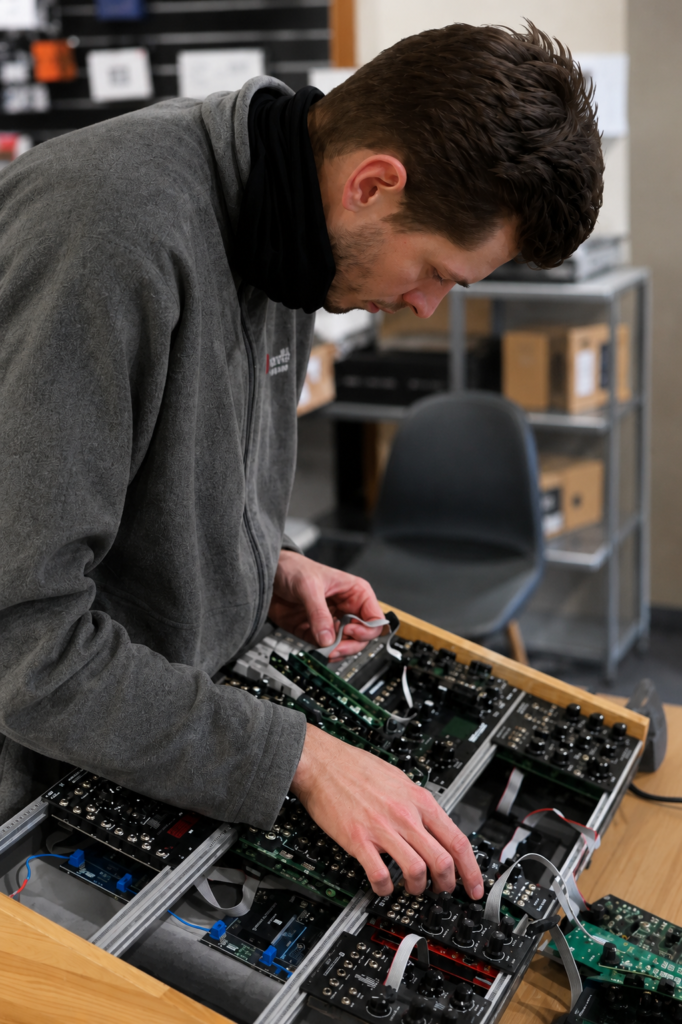
Design and Development of an Embedded Monitoring System
The first Career Episode can focus on the design and development of a microcontroller-based monitoring system.
The project may involve developing an electronic system that collects data from sensors, processes the information and displays or transmits the results to another device.

PCB Design and Testing of a Signal-Conditioning Circuit
The second Electronics Engineer Career Episode Sample can focus on printed circuit board design for an electronic measurement or control application.
The episode should explain how the applicant converted technical requirements into a functional circuit and PCB layout.
Selecting resistors, capacitors and active components
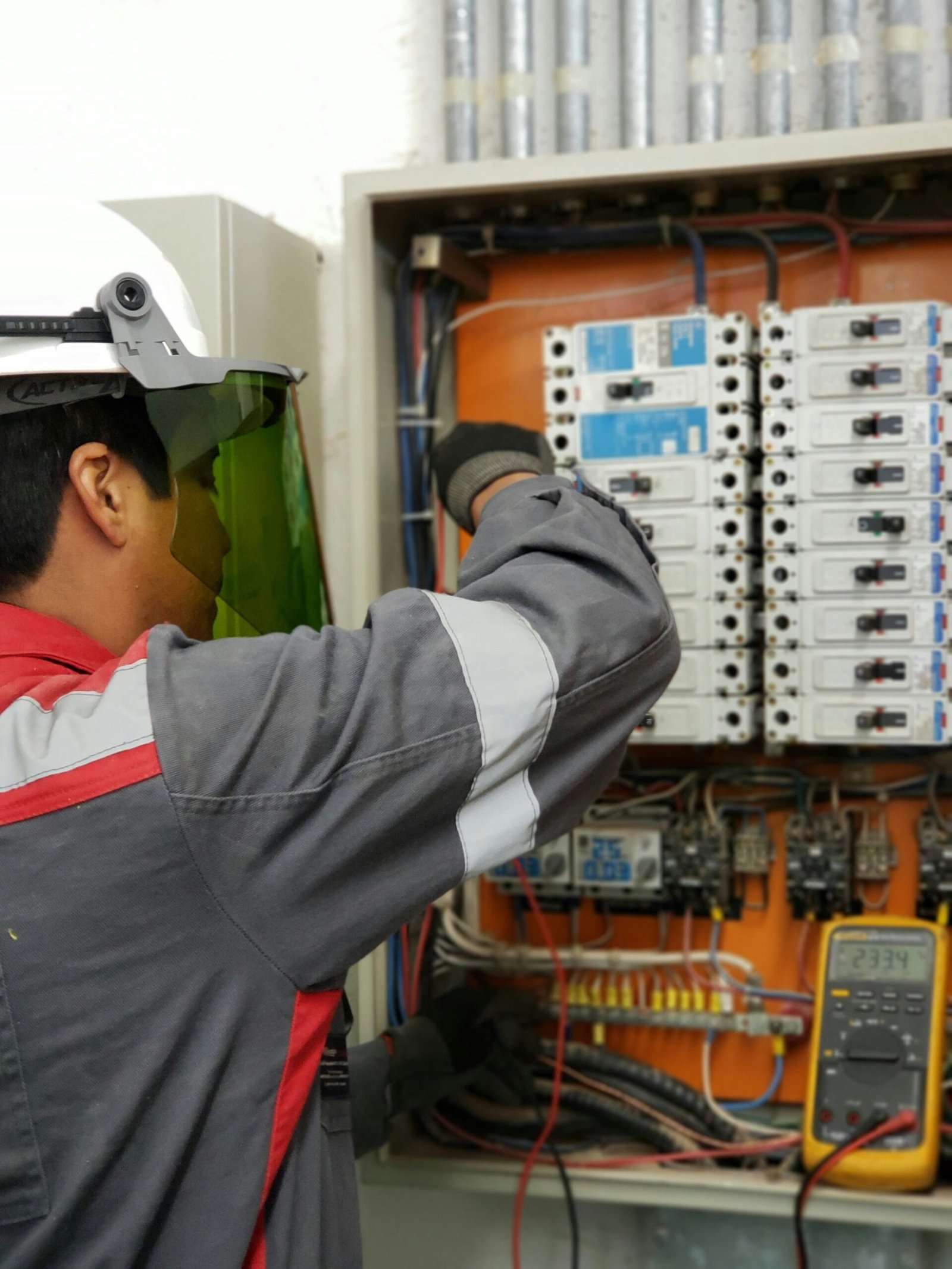
Development of a Wireless Communication and Data-Transmission System
The third Career Episode can explain the development or improvement of a wireless communication system used for monitoring, automation or data transmission.
The project can involve connecting electronic sensors, controllers and communication modules to transmit data between different devices.
How to plan a Electronics Engineering CDR (ANZSCO 233411)
Electronics engineers design and test circuits, embedded systems, sensors and control electronics. Your CDR should show the design decisions you made, the calculations behind them and how you verified that the hardware and firmware worked.
For the Engineers Australia Migration Skills Assessment, your Competency Demonstration Report has three parts: three career episodes, a summary statement and a Continuing Professional Development (CPD) list. Each career episode describes one period of engineering work or one project in your own words, written in the first person, so the assessor can see what you did. Use this page as a planning guide; your report must describe your own projects and be original.
Career episode ideas for electronics engineers
Choose three projects that are clearly different from each other, so that together they cover the full range of competencies. Strong options for electronics engineers include:
Embedded monitoring system
Selecting a microcontroller and sensors, designing the schematic and PCB, writing firmware and testing accuracy and power consumption.
Power electronics or motor drive
Designing a converter, inverter or drive circuit, calculating component ratings, managing heat and testing efficiency and protection.
Communication or signal processing module
Designing filters, amplifiers or wireless links, simulating performance and validating signal quality in the lab.
Product testing and fault finding
Developing test procedures, using oscilloscopes and analysers to isolate faults, and improving the design to remove the root cause.
What to show in each career episode
- Background: the project, its objectives, your organisation and your position, in a short introduction.
- Your personal role: what you were responsible for, written as “I designed”, “I calculated”, “I tested”, rather than “we” or “the team”.
- Technical detail: the engineering work itself, such as circuit analysis, component selection and ratings, PCB layout, simulation (for example SPICE or MATLAB), firmware, EMC and safety standards, test results.
- Problems and judgement: a technical difficulty you faced, the options you considered and why you chose your solution.
- Professional skills: how you communicated with clients, contractors or colleagues, managed time and risk, and followed safety and ethical practice.
- Outcome: what the project achieved and what you learned from it.
Mapping your episodes in the summary statement
The summary statement links each Engineers Australia competency element to the paragraph numbers in your career episodes where it is demonstrated. For the Professional Engineer category the competencies sit in three groups:
- PE1 Knowledge and skill base: the engineering science, mathematics and specialist electronics engineering knowledge you applied.
- PE2 Engineering application ability: how you solved problems, used engineering tools and managed design or project processes.
- PE3 Professional and personal attributes: ethics, communication, teamwork, initiative and professional judgement.
Write the career episodes first, number every paragraph, and then build the summary statement from the evidence you actually wrote. See our summary statement writing service for help with this step.
Common mistakes in Electronics Engineering CDRs
- Describing what the company or team did instead of your own engineering contribution.
- Listing tasks without the calculations, analysis or design reasoning behind them.
- Choosing three similar projects, which leaves some competency elements without evidence.
- Copying text from samples or the internet. Engineers Australia checks originality, and copied content can lead to rejection.
- A summary statement that refers to paragraphs that do not actually show the competency claimed.
Frequently asked questions
Can I copy a electronics engineering CDR sample?
No. A sample shows structure and level of detail, but your CDR must describe your own projects in your own words. Copied material is a common reason for a negative assessment.
Which projects should a electronics engineer use for career episodes?
Use three projects where you personally did substantial engineering work and that show different skills, for example one design project, one problem-solving or improvement project and one project that shows management or communication.
Can someone review my Electronics Engineering CDR before I submit?
Yes. Our CDR review and editing service checks structure, competency mapping and originality before you submit to Engineers Australia.
Need help preparing your Electronics Engineering CDR? Explore our CDR writing services, career episode writing and more CDR samples.
